Business
-
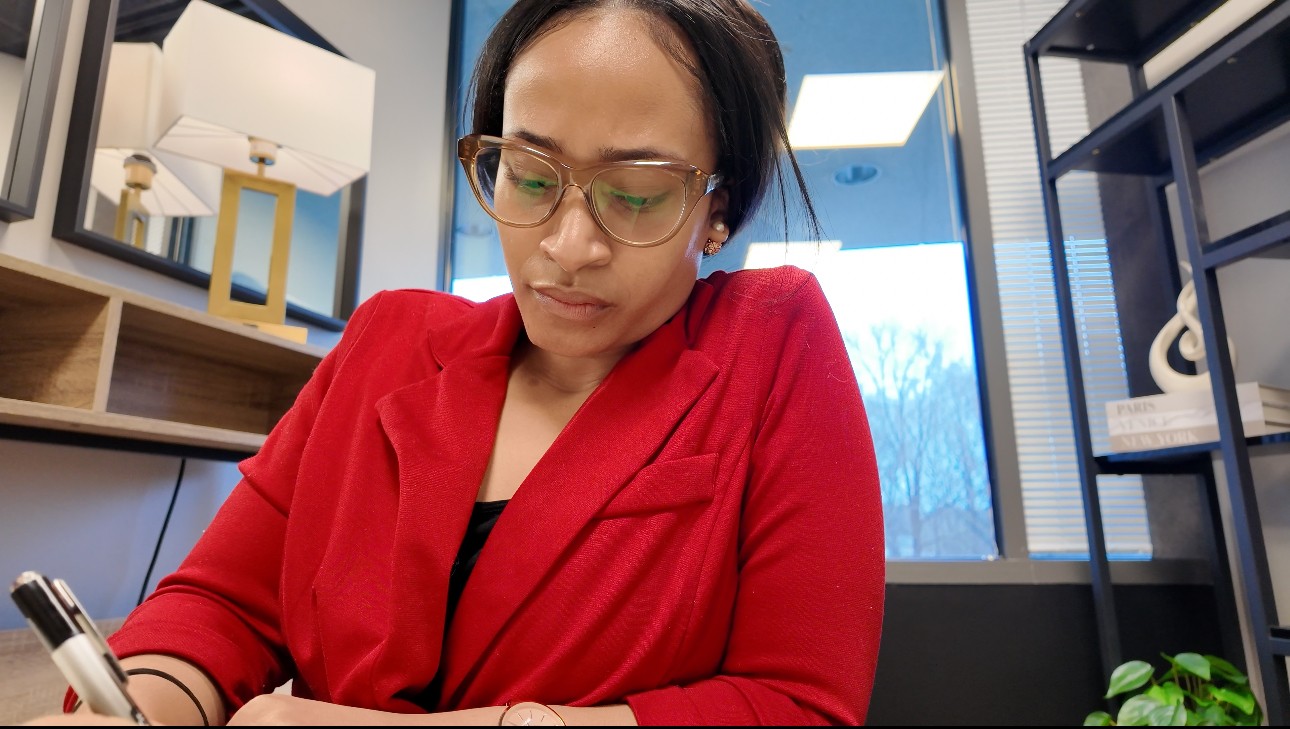
Anquita Mitchell
I want to tell you about the moment that completely changed how I run my business.
It didn't happen in a boardroom. It didn't happen at a conference. And it wasn't buried in a business book or handed to me by a high-ticket business coach.
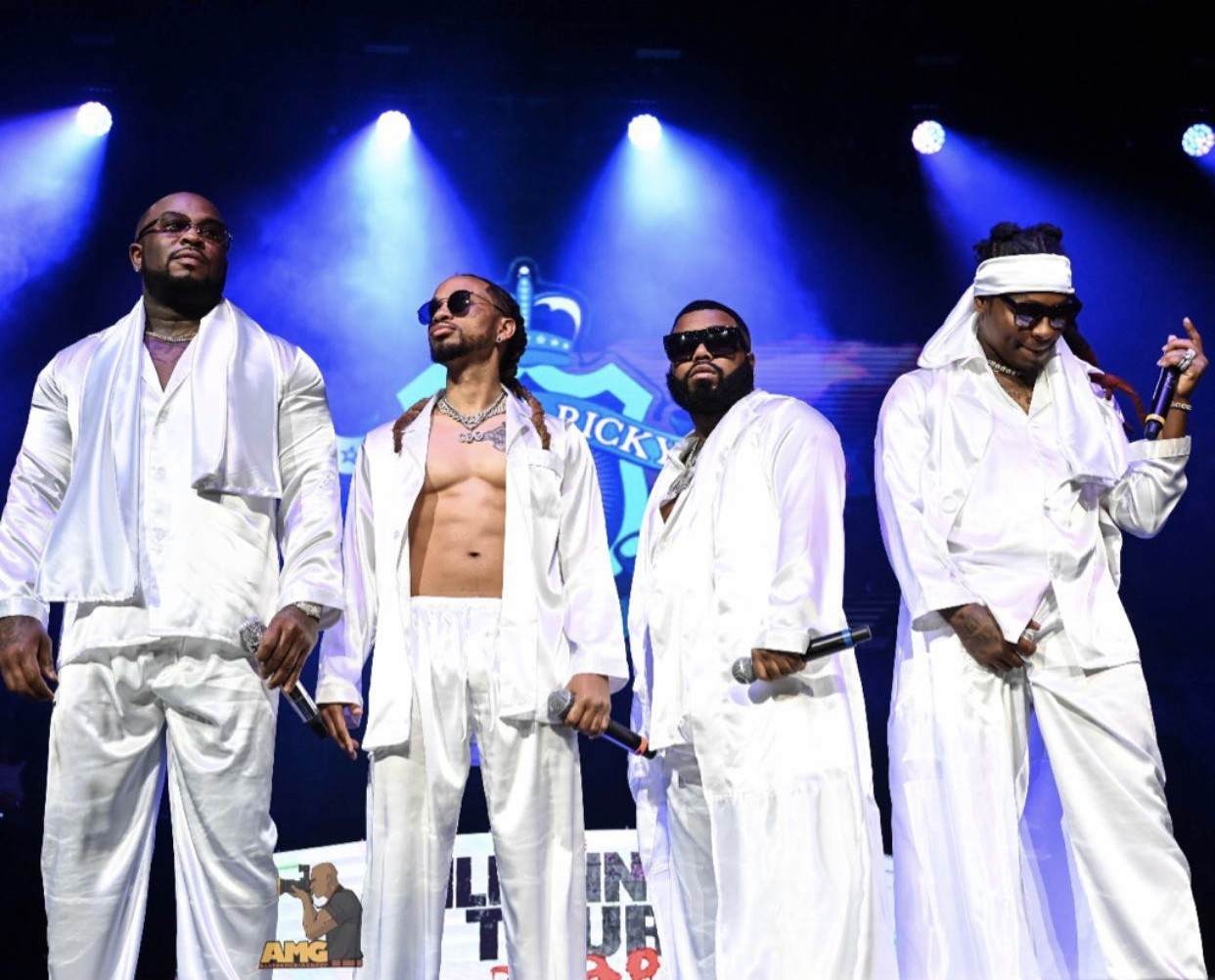
It happened backstage, in a dressing room, on one of the biggest music tours in the country. And it came from a man most people know as a member of the 2000s R&B group Pretty Ricky.
His name is Spectacular Smith. And he taught me something I still use every single day, seven years later.
Setting the Scene:
The Millennium Tour 2019
In 2019 and 2020, I had the opportunity of a lifetime. I was hired as the Wardrobe Director for Pretty Ricky on the Millennium Tour - a nostalgia-driven, nationally touring production that brought together some of the most iconic names in early 2000s R&B.
My clients? Spectacular Smith, Baby Blue, Pleasure P, and Slick'Em - the four members of Pretty Ricky - plus four professional dancers.
Eight people in total. By myself. All across the United States of America.
Let that sink in for a second.

What Being a Wardrobe Director Actually Means
I think when people hear "Wardrobe Director," they picture someone who just picks out cute outfits. And while the creative side of it is very real, the operational side is what most people don't see - and it's what nearly broke me and built me at the same time.
Every single day, I was solely responsible for:
Purchasing every wardrobe item for all eight people
Organizing every piece by person, by look, by show
Washing and maintaining everything — leotards, jackets, jeans, socks, undergarments, all of it
Laying out each person's complete look before every show
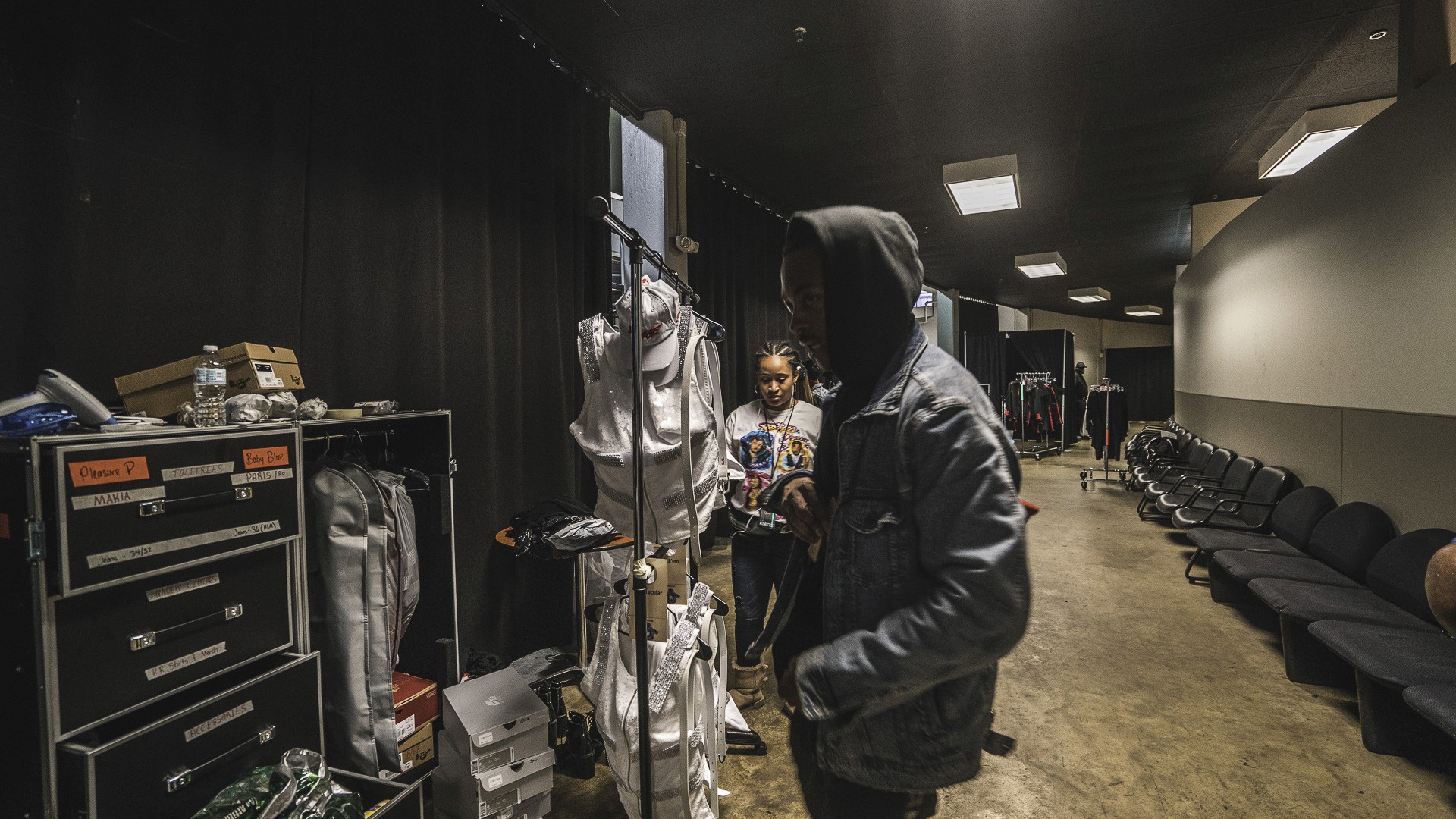
Managing the wardrobe cases that traveled with us from city to city
Handling all accessories, toiletries, and specialty items from sneakers and boots to hats and performance tights
Top to bottom. Head to toe. Eight people. Every. Single. Day.
This wasn't my first time working on a tour - I had previously worked as an assistant wardrobe manager with New Edition, which gave me my foundational experience. But the Millennium Tour was a different beast entirely. This time, I had no assistant. No backup. No one to call if I dropped the ball.
The pressure was real. The stakes were real. And on any given day, so was the stress.
Most People Know Him as Pretty Ricky. I Know Him as a CEO.
Here's what the world sees when they look at Spectacular Smith: an incredibly talented entertainer, a gifted dancer, a charismatic performer who helped define a generation of R&B music.
Here's what a lot of people don't know: Spectacular Smith is also the Chairman and CEO of Adwizar, a multi-million dollar social media agency. He is, by every definition of the word, a businessman - and a serious one at that.
He built an entire company. He understands systems, scale, and operations at a level that most people who follow him for his music have no idea about. And it was that version of Spectacular - the CEO, not the entertainer - who pulled me to the side one day backstage and said something I'll never forget.
The Moment That Changed Everything
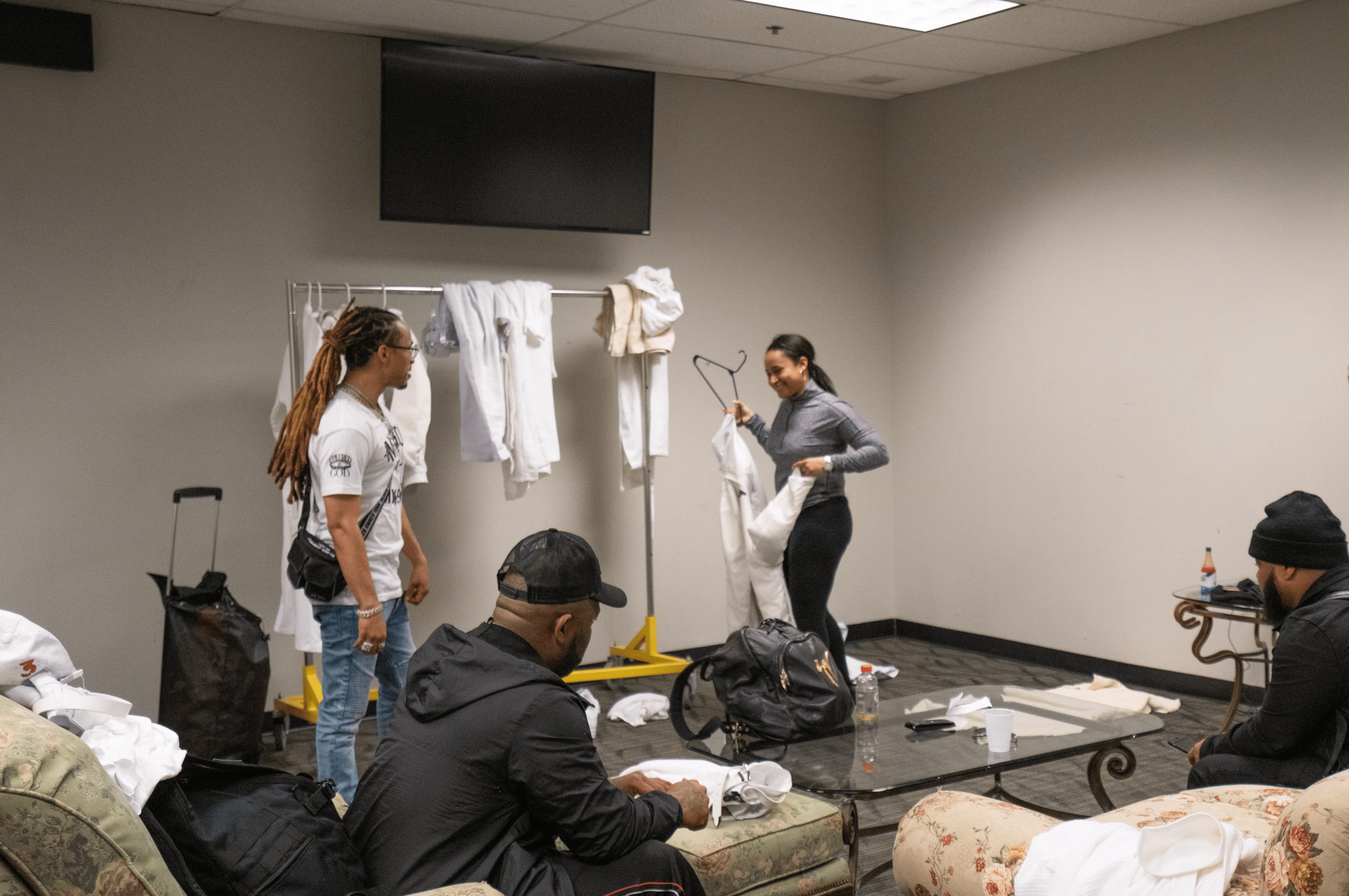
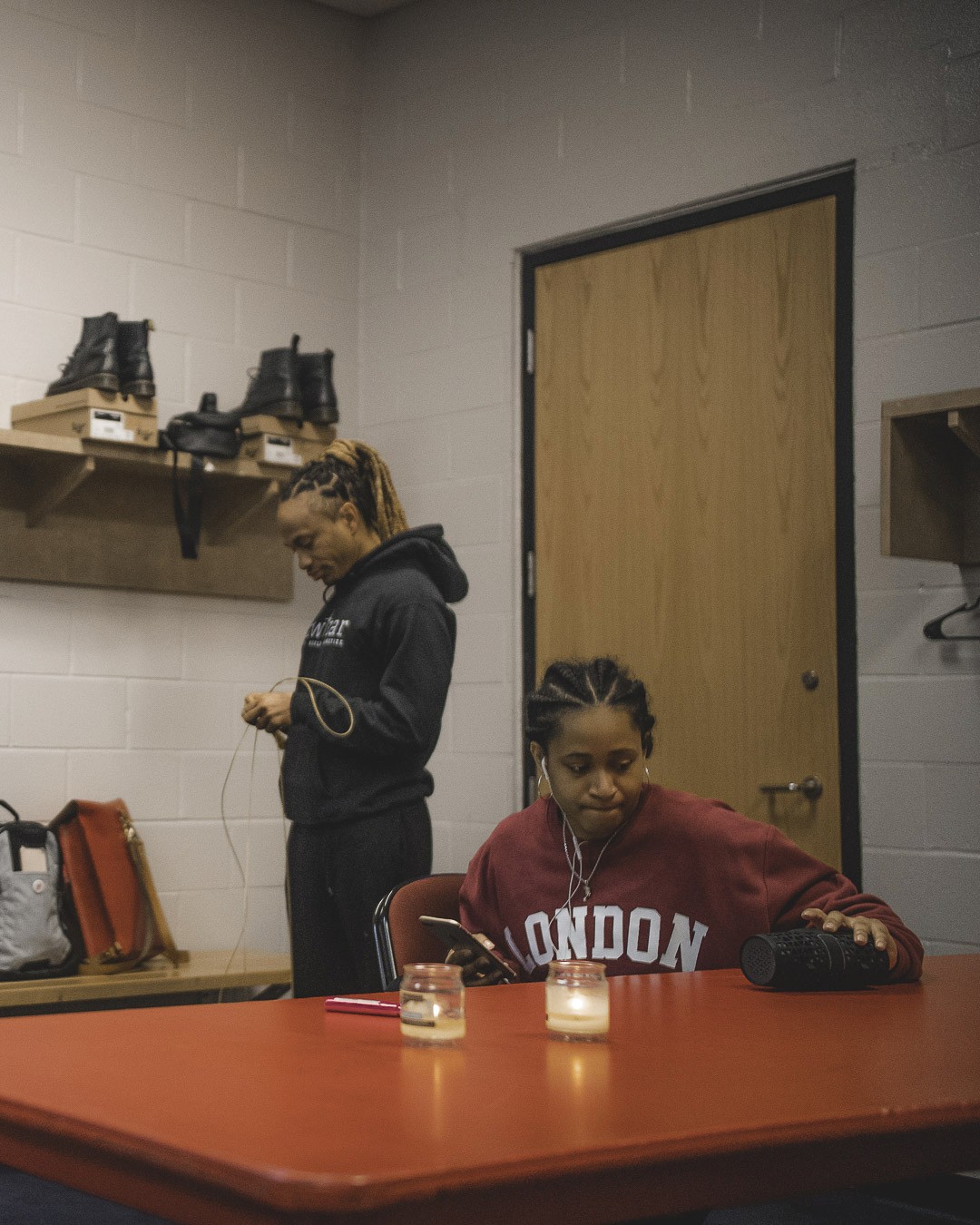
I was backstage prepping for the show. We were in the thick of tour life - new city, new venue, the same relentless checklist of things that needed to happen before those performers stepped on that stage.
And yes, I was visibly stressed.
Spectacular walked over, looked at me, and said:
"Stop trusting your brain for tasks that have to happen every day."
Five seconds. One sentence. My entire approach to running a business shifted.
He broke it down simply: Write it down. Check it off. Every non-negotiable task, on paper, every single day.
Because we're human. Our cognitive ability fluctuates. We have bad days, off days, distracted days. And the details that fall through the cracks on those days? In a business context, those aren't just inconveniences - they're costly. They dilute trust. They break standards. They cost you clients, opportunities, and in my case at that time, potentially my job.
But he didn't stop there.
He took it a step further: When you build those checklists into systems, you can eventually hand them to someone else, and the standard never drops.
That, right there, is the foundation of what we call a Standard Operating Procedure. An SOP.
From a Note in My Phone to Laminated Checklists
I took what Spectacular said seriously. Immediately.
I started small with a note in my phone capturing every task I needed to complete each day. But quickly, I realized that wasn't enough. The volume of responsibility I was carrying required something more structured, more visible, more concrete.
So I created a checklist for every single person on that stage.
Not a general list. A personalized, itemized checklist, specific to each performer's wardrobe needs, their looks for each show segment, their individual requirements. I printed them out. I laminated them. And I had them ready to review in our wardrobe cases each day before I started work.
I still have those lists to this day.
That's how significant that moment was. I didn't just implement his advice but I built something with it. Something I could hold in my hands. Something that traveled with me across the country, city by city, show by show, ensuring that those four men and four women got on stage every night looking their absolute best so they could perform their absolute best.
That was my job. And a laminated checklist made sure I never forgot a single detail of it.
What a Checklist Actually Does for Your Business
Let's talk about this practically, because I think "use a checklist" can sound overly simple - and the truth is, the principle behind it is anything but.
When you rely solely on your memory to manage recurring tasks, you're introducing unnecessary risk into your operations every single day. Memory is fallible. Attention is finite. And the more you scale - the more clients, the more team members, the more moving pieces - the more dangerous it becomes to run on memory alone.
A checklist eliminates that risk for the tasks that are non-negotiable. The ones that have to happen, every time, without exception. When it's written down, it becomes a standard. And when it's a standard, it becomes transferable.
That's where SOPs come in.
A Standard Operating Procedure is essentially a checklist with context - a documented, repeatable process that outlines not just what needs to be done, but how and in what order. SOPs are what allow businesses to grow without the founder becoming a bottleneck. They're what allow you to onboard a new team member and trust that the quality of your work won't suffer in the process.
When Spectacular told me to stop trusting my brain and start building systems, he was giving me the foundation of scalable business operations - disguised as practical advice in a dressing room.
Seven Years Later: Mitchell Management Group
Fast forward to today. I am the Founder and CEO of Mitchell Management Group (MMG), a full-service omnichannel content marketing agency based in Atlanta, Georgia. We serve businesses across industries - helping them build brands, create content, and execute marketing strategies that drive real, measurable results.
And checklists and SOPs? They are the backbone of everything we do.
Every client process. Every deliverable. Every onboarding workflow. Every content production cycle. It's all documented. It's all systematized. Because that's the only way to maintain quality as you grow, and that's the only way to build something that doesn't depend entirely on one person to function.
I learned that in a dressing room.
Spectacular has Adwizar. I have Mitchell Management Group. We're on different scales, operating in adjacent spaces - social media and marketing, respectively - but the principle that runs beneath both of our businesses is the same:
Repeatable systems, built on proven processes, executed consistently.
The Lesson That Keeps Giving
What strikes me most when I look back on that moment is how unlikely it was.
I wasn't in a mastermind. I wasn't paying for a coaching program. I wasn't reading the right book at the right time. I was in a dressing room, stressed, managing wardrobe cases and trying to hold it all together - and a business owner who happened to also be a world-class entertainer took a moment to pour into me.
That's a reminder I carry with me: you never know where your next breakthrough is going to come from. The people around you, you know the ones you might not immediately think of as mentors or teachers, often carry wisdom they don't even realize they're passing along.
Pay attention. Be teachable. And when someone hands you a gem, do something with it.
I did. And seven years later, I'm still grateful for it.
If This Resonated With You
If you're building a business and you're still trusting your memory to hold it all together, this is your sign to start writing it down.
Start small. A note in your phone. A simple task list. Then graduate to a checklist. Then build it into a system you can hand to someone else without anything falling apart.
That's how you build something that lasts.
I'll keep sharing stories like this one - from the tour, from the agency, from the come-up - because I genuinely believe that real experiences make the best lessons.
If you want to be here for more of them, follow along. More where this came from.
Anquita Mitchell is the Founder and CEO of Mitchell Management Group, a full-service marketing agency based in Atlanta, GA. With over 11 years of experience spanning entertainment, nonprofit, and B2B marketing, she builds brands rooted in strategy, story, and systems.
Related